





 By
By 
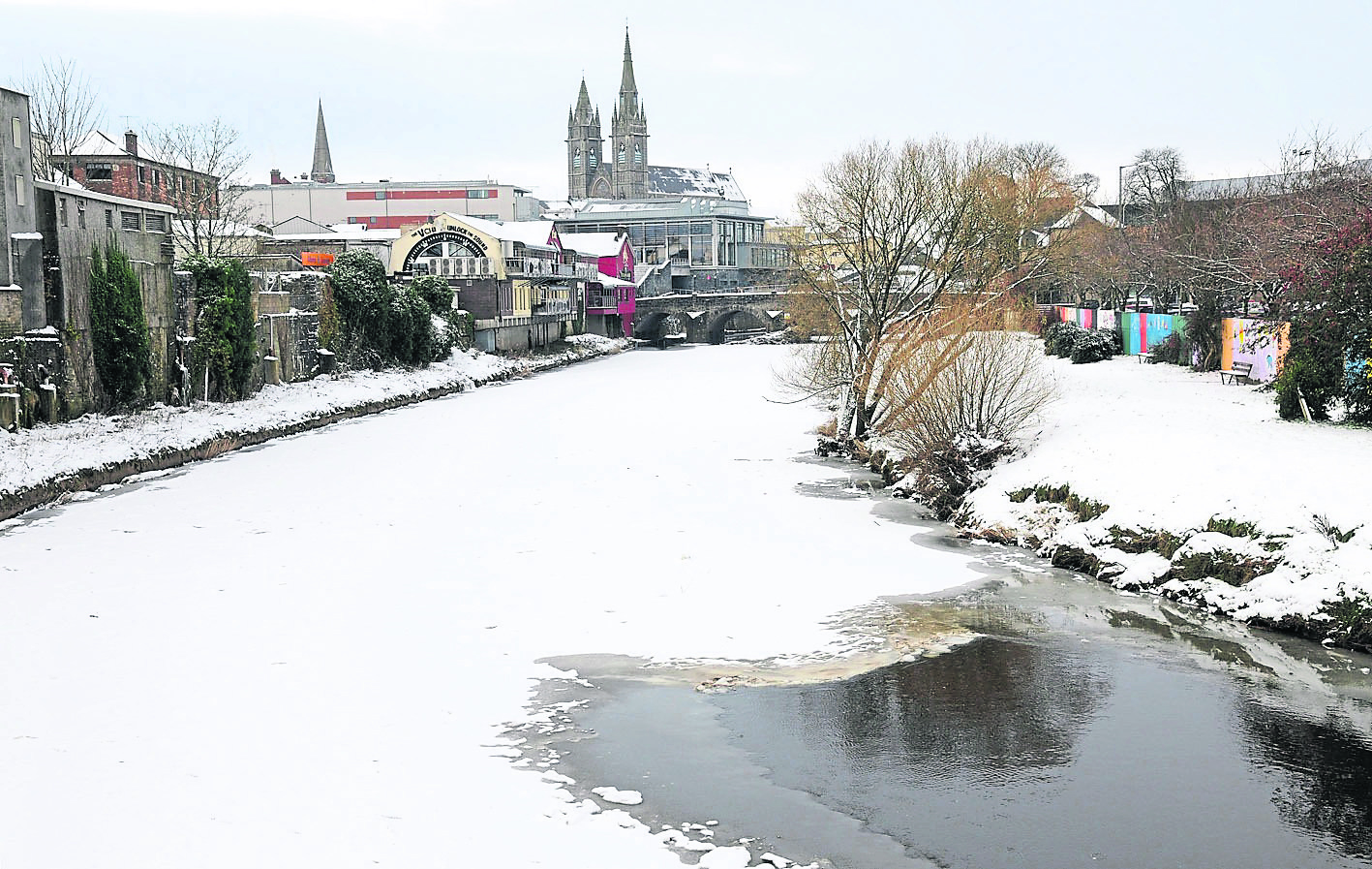
WE may have had a cold snap these past few days, but it bears little comparison to what Tyrone endured 15 years ago, during the harshest winter in living memory, writes Charlotte McCutcheon.
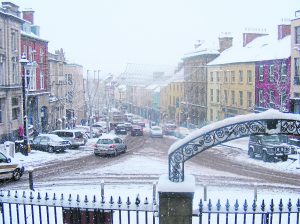
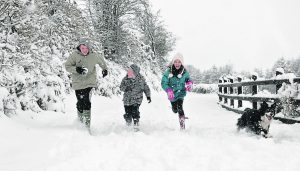
The Big Freeze of December 2010 arrived suddenly – bringing a rare White Christmas – but it ultimately created havoc. For days on end, temperatures remained well below zero, roads became treacherous, and everyday routines simply stopped.
When the thaw eventually came, it brought its own problems, as frozen pipes burst across towns and rural areas, leaving tens of thousands without water during the Christmas period and into the New Year.
According to the Met Office, the period between December 16 and 26 saw ‘extraordinarily cold weather’, with deep snow, persistent ice and prolonged sub-zero temperatures combining in a way rarely seen here.
In parts of Tyrone, it was the coldest spell for more than a century.
On December 23, Castlederg entered the record books when the temperature fell to minus 18.7 degrees Celsius – the coldest ever recorded in Northern Ireland and the lowest on the island of Ireland.
For more than a week, large parts of the county did not see temperatures climb above freezing.
Untreated roads were dangerous, pavements were impassable, and hundreds of schools across Tyrone were forced to close. Public transport ground to a halt, flights were cancelled, and Christmas plans were quietly shelved.
Remote rural communities were hit hardest.
In places where gritters struggled to reach, roads became impassable, leaving some residents effectively cut off. For the elderly, the sick and those living alone, access to essential services became a serious concern.
Farmers faced daily challenges in tending livestock, with frozen water supplies and inaccessible fields.
Milk collections continued, thanks largely to cooperation between farmers and hauliers, though often hours behind schedule. Delivery firms reported widespread delays, while GP practices worried about vulnerable patients unable to leave their homes.
Despite the conditions, district nurses continued to reach patients in some of the worst-affected areas.
Many primary schools closed entirely, while rural secondary schools opened only briefly, as buses were unable to reach pupils. Teachers, like students, often found themselves snowed in.
As always, in times of difficulty, local people stepped up to help each other.
The Strabane Town Community Partnership, made up of community groups in Lisnafin, Ballycolman, Carlton Drive and the East Ward teamed up with Strabane and District Caring Services (SCS) to ensure the safety of the most vulnerable in their areas.
Gerry Harkin of SCS said at the time, “It’s about making sure that people have heat in their homes, food in their cupboard and if someone needs something, that someone is available to get it for them.”
Then came the thaw – and with it, a fresh crisis!
Burst pipes left around 40,000 homes and businesses without water, affecting some 80 towns and villages across the North.
NI Water came under heavy criticism as people queued daily for bottled supplies, while emergency tankers were dispatched to the worst-hit areas.
At one point, the Scottish Government even offered to supply bottled water if required… a measure that underlined the scale of the disruption.