





 By
By 

By Paul Moore
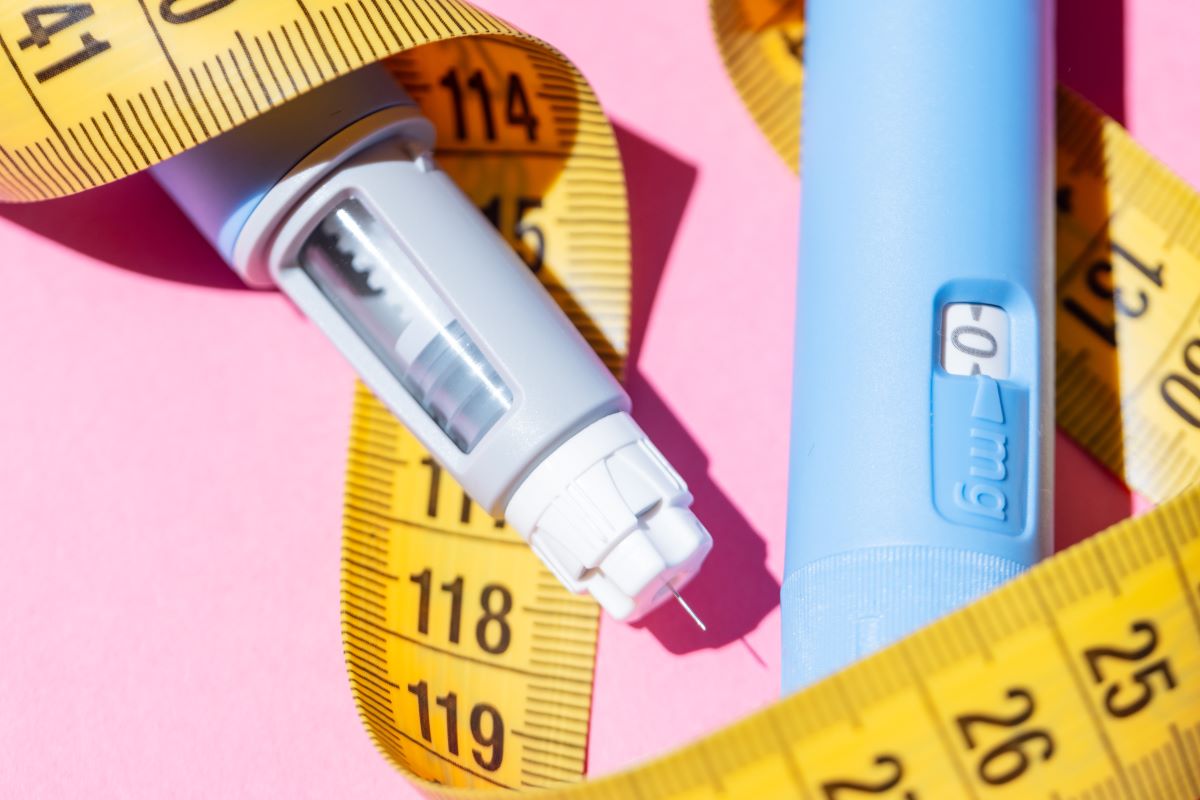
I have a friend who is diabetic. He has to be extremely careful about what, and when, he eats and has to inject himself on occasion. Most recently he has been prescribed weight loss drugs which he has been taking for a couple of months now. He has lost some weight but not dramatically so.
I do not know why he has to take such drugs but I do know that at times when we speak he is clearly in less than top form and when questioned he generally tells me he has been suffering for a few days with acute stomach problems and continuous nausea. Such is the severity of this that he often feels he can no longer take the medication.
My friend’s plight made me ponder why anyone in their right mind – and who did not have it prescribed for medical purposes – would choose to start taking weight loss drugs. No doubt many of you are ready with the obvious answer – they are overweight – but paying for an injection every few weeks seems less-effective and more costly in many ways than controlling what one eats in the first place.
I also know a number of women who are committed to taking the drug. Some have had drastic weight loss, some not, but the one thing I think they all share – well actually two things – is that they seem deeply miserable and appear quite simply to be unwell, gaunt and indeed, not properly fed. The contradiction of this, shedding weight and being miserable, prompted me to find out a little more about the impact of weight loss drugs in general.
The most fascinating article I read focused on the fact that soon the medication will be delivered in pill form rather than injection. At that point the article suggested we would all partake.
This would have a profound impact on daily and global life with people having to budget to pay for the drugs as they would for a lifetime mortgage (there is come evidence that when you come off the drug you are ravenous and become larger than your previous pre-drug self), with cars becoming smaller, public transport being able to carry more passengers with less fuel and aeroplanes being able to have longer flights with more passengers and again with less fuel consumption.
The article also suggested that food producers and retailers could encounter a serious fall in demand for foodstuffs.
Enter the large retailers such as Morrison’s and M&S who announced last week that they would be making and selling ‘nutrient dense’ meals for those taking such medication. M&S said they would be selling salads, breads, yoghurt bowls and chicken dinners. I may be very stupid here, but that list does not sound remarkably different from the foods I buy in the store now and surely a chicken dinner is a chicken dinner? How does one make that chicken more ‘nutrient dense’? Also, is the chicken dinner one makes at home lacking in nutrient density?
If one was of a cynical bent, which of course I am not, one might argue that this all sounds like an even more cynical marketing campaign to get the retaliation in first before the sales start to decline through the general population no longer being hungry. It also suggests that the only thing these large retailers consider to be dense are the people they think will buy either the campaign or the meals.
As if it is not bad enough to feel that you are so overweight that you have to torture yourself with drugs with hideous side effects, commit large lumps of your wages to sustaining this debilitating regime and buy a new wardrobe every four months you now have to worry that your cooking needs to be nutrient dense. To paraphrase the most important philosopher of the 19th century… there is no such thing as nutrient dense food, only a nutrient dense food industry.