




 By
By 
AN Omagh support group has highlighted the impact of tinnitus and the importance of shared support, as awareness of the condition is marked this week.
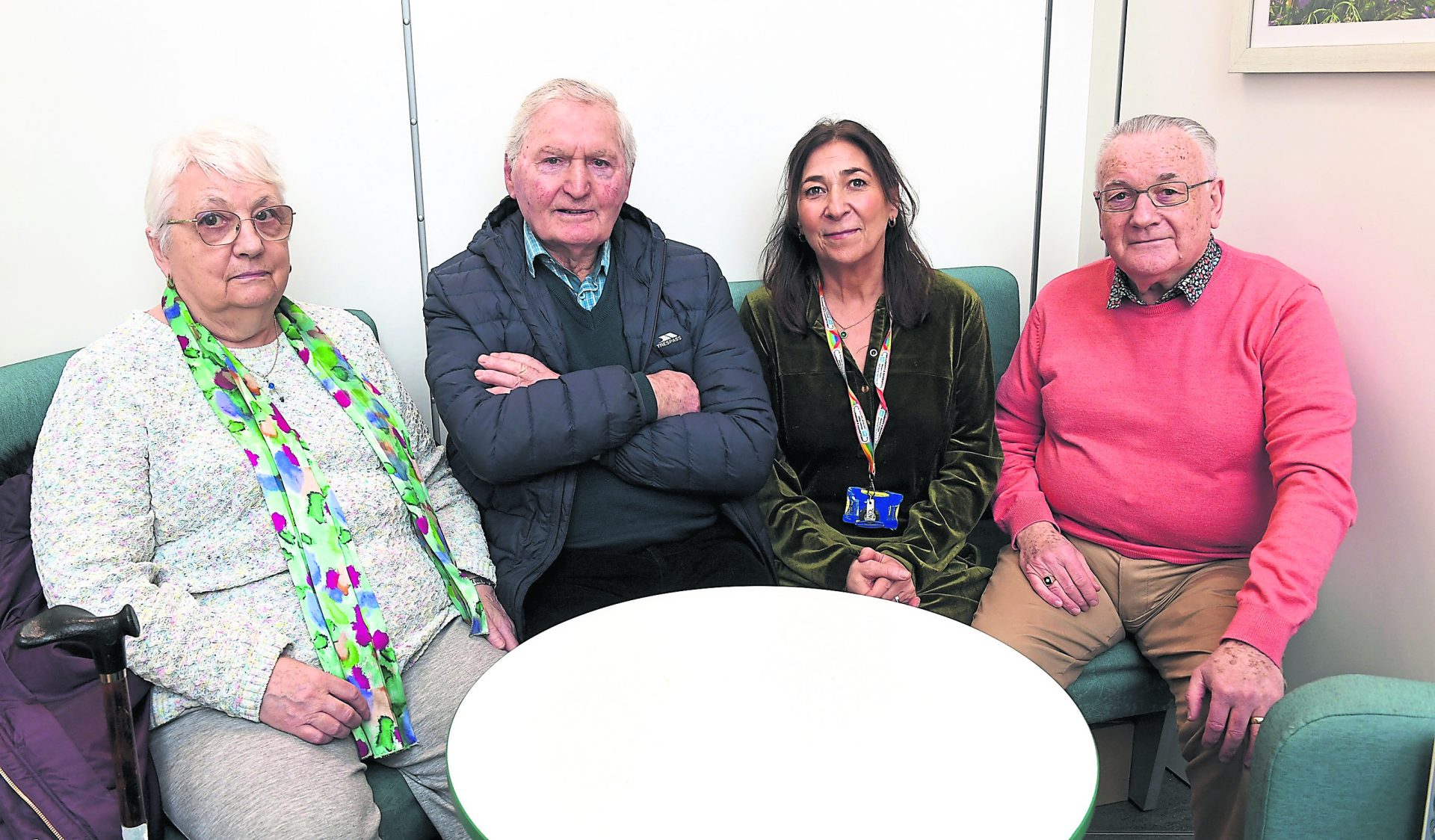
Tinnitus affects more than seven million people across the UK and is commonly described as a persistent ringing, hissing or buzzing sound in the ears. For many, it can be isolating, distressing and difficult to manage. However, members of the Omagh tinnitus support group say coming together has helped them regain control. Co-ordinated by Western Trust Sensory Support worker Carmel Woods, the group meets once a month upstairs in Omagh Fire Station and provides a vital local resource for people living with tinnitus.
The group offers practical support focused on understanding tinnitus and developing self-management techniques. Sessions explore breathing and relaxation exercises, alongside everyday self-help strategies aimed at reducing symptoms and anxiety.
Often described as a ringing or hissing sound in the ear, it’s not always clear what causes tinnitus.
However, the condition is often inked to hearing loss, conditions such as diabetes, thyroid disorders or multiple sclerosis, anxiety or depression, or a side-effect of various types of medication.
Carmel explained that, following an influx of referrals to the sensory service relating to tinnitus, it became clear there was demand for a local support group.
“The group has been active now for roughly ten years and has been growing each year,” she said.
“We have found that one of the most beneficial aspects of the group is that it is a drop-in service, so while some people may feel they have received enough support after two or three sessions, they can always return as and when it suits them.”
Carmel said that since its formation, the group has offered attendees a strong sense of peer support and camaraderie as they learn to deal with the condition on a daily basis.
“The level of support comes through people’s lived experiences, allowing them to share ideas on how to manage tinnitus and talk about how it has impacted their lives,” she explained.
“For each individual, it’s really about what works for them.
“Within the group, we often discuss self-management techniques people can take home with them, including relaxation exercises, but essentially it’s about letting people know they do not have to fear tinnitus and that ongoing support is there.”
Danny Sweeney from Carrickmore, a regular attendee, has suffered with tinnitus for 14 years.
“Stress is a major factor when it comes to tinnitus,” he said.
“You may not think it, but for me it developed following an accident 14 years ago, affecting me most notably during the night when I often wake up and struggle to get back to sleep.
“However, once I joined the support group and started using the tips and hearing the experiences of others, it has proven to be more than a good thing.
“We talk, we share and we deal with it together.”
Cara McCrory from Omagh has lived with tinnitus since the age of eight and joined the group six years ago.
“I found it manageable for most of my life,” she said.
“But after developing shingles a few years ago, the symptoms were explosive, and then after suffering a stroke, it got worse again.”
Cara explained that she now uses a device with two speakers placed under her pillow at night, playing soothing sounds to help her sleep.
“Even if I wake up in the middle of the night due to the ringing, I can turn the volume up slightly and I’ll be back asleep within five or ten minutes.”
Willie Galbraith from Omagh has suffered with tinnitus for 26 years and has tried numerous medications after visiting his GP.
“Nothing seemed to work,” he said.
“But one of the best things that ever happened me was discovering the support group, which I was unaware of for many years, only finding out about it when I went to get fitted for a hearing aid.”
Describing his symptoms, Danny added that it feels like ‘a platoon of soldiers’ marching through his head.
“Since joining the group, I don’t panic as much when the symptoms come on,” he said. He also joked that advice from the group has saved him “many rows” at home.
“I got myself a headset for watching television late at night if the insomnia sets in.
“I no longer have to crank up the volume and I can relax without disturbing anyone.”
Concluding, Danny described his experience with the support group as “fantastic”, adding that he no longer feels isolated as he learns how to live with tinnitus.