



 By
By 
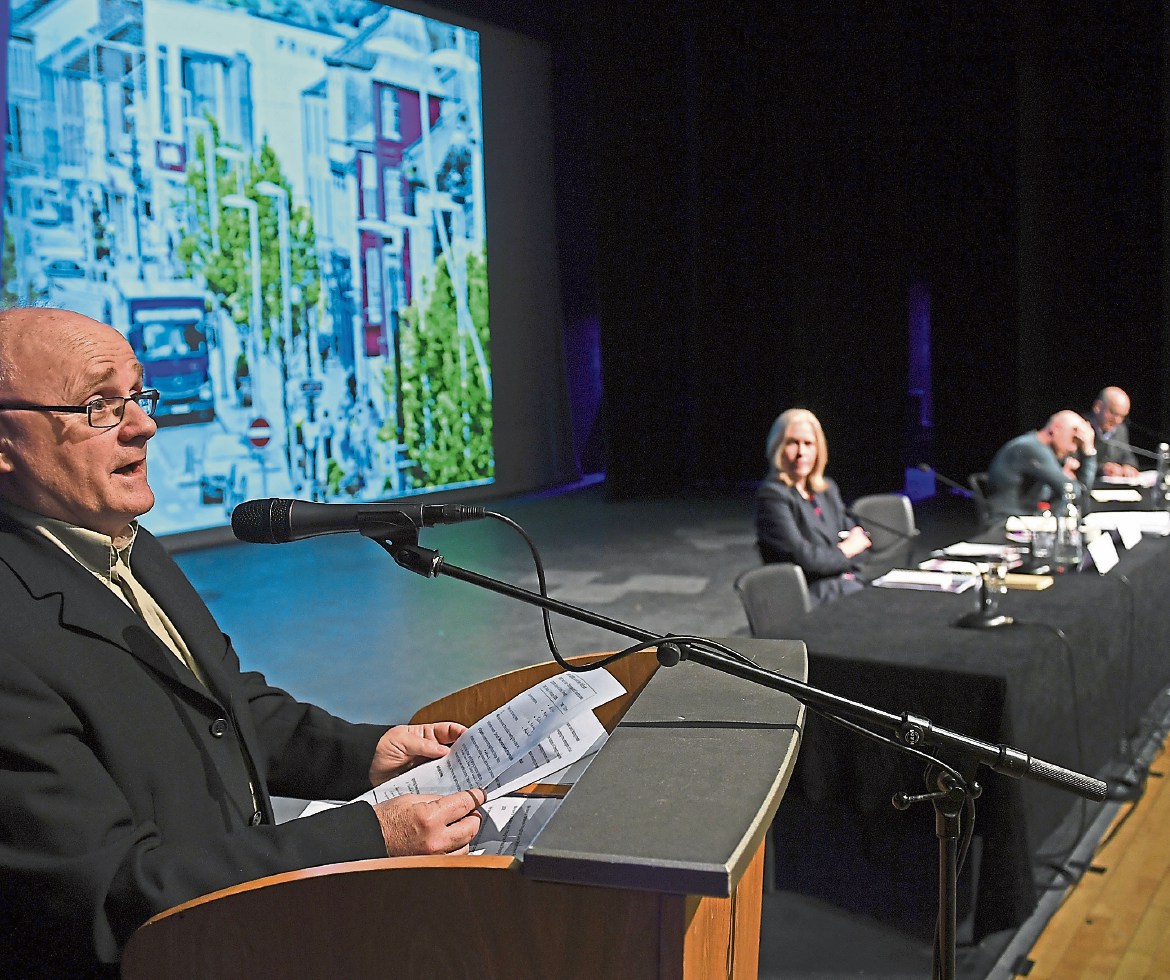
A public meeting at the Strule Arts Centre has set out how Omagh could be reshaped over the next ten years, with senior officials warning that the town is facing a period of change unlike anywhere else in Ireland, the UK or Europe.
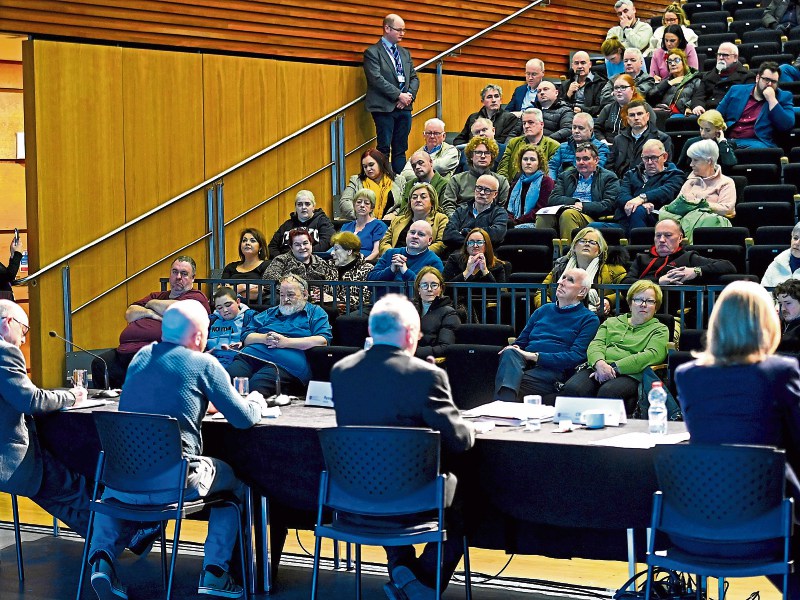
More than 100 people – including business owners, community representatives and statutory bodies – attended the event organised by Fermanagh and Omagh District Council to hear updates on major projects and the pressures already being felt across the town centre.
Council chief executive Alison McCullagh told the audience that several significant developments are now moving into focus.
Among them is the local council’s formal expression of interest in purchasing the historic St Lucia Barracks site, despite the challenges posed by its listed status, high redevelopment costs and location on designated floodplain.
She also confirmed that three potential sites have been identified for a new railway station, while discussions continue with the Education Authority and the three Faith Trusts on the future use of the five school buildings that will be vacated when the Strule Shared Education Campus opens in September 2028.
But alongside the opportunities, Ms McCullagh warned of mounting pressures: an ageing population, young people leaving and not returning, climate-related flood risks and the long-delayed A5 upgrade.
“Our population will be considerably older in 2030 and 2040,” she said. “Our young people are going away and they are staying away. They do not come back home to live.”
Attendees also raised concerns about worsening congestion, limited parking, poor pedestrian infrastructure and the risk that traffic problems will intensify around the Gortin and Derry Roads once the new education campus opens.
Businesses reported rising insurance costs linked to flooding risks, while others warned that slow progress on major infrastructure projects was undermining confidence.
Council chair Barry McElduff praised the hospitality and retail sectors for their resilience and investment, saying the private sector had shown ‘immense leadership’ in difficult conditions.
But he stressed that Omagh’s town centre is undergoing visible and rapid change – from vacancies and dereliction to shifting retail habits and pressures on the high street.
“Our night-time economy also needs to change,” he said. “We have to be courageous in facing challenges and trying to shape the future of our town centre.”
Almost four years on from the publication of the Omagh Place Shaping Plan, Mr McElduff said the next phase will require close cooperation between government departments, local traders and the council.
Figures presented at the meeting showed that most income earned in the Omagh area continues to be spent locally, and that vacancy rates remain below the Northern Ireland average – signs that, despite the challenges, the town retains strong foundations.