



 By
By 

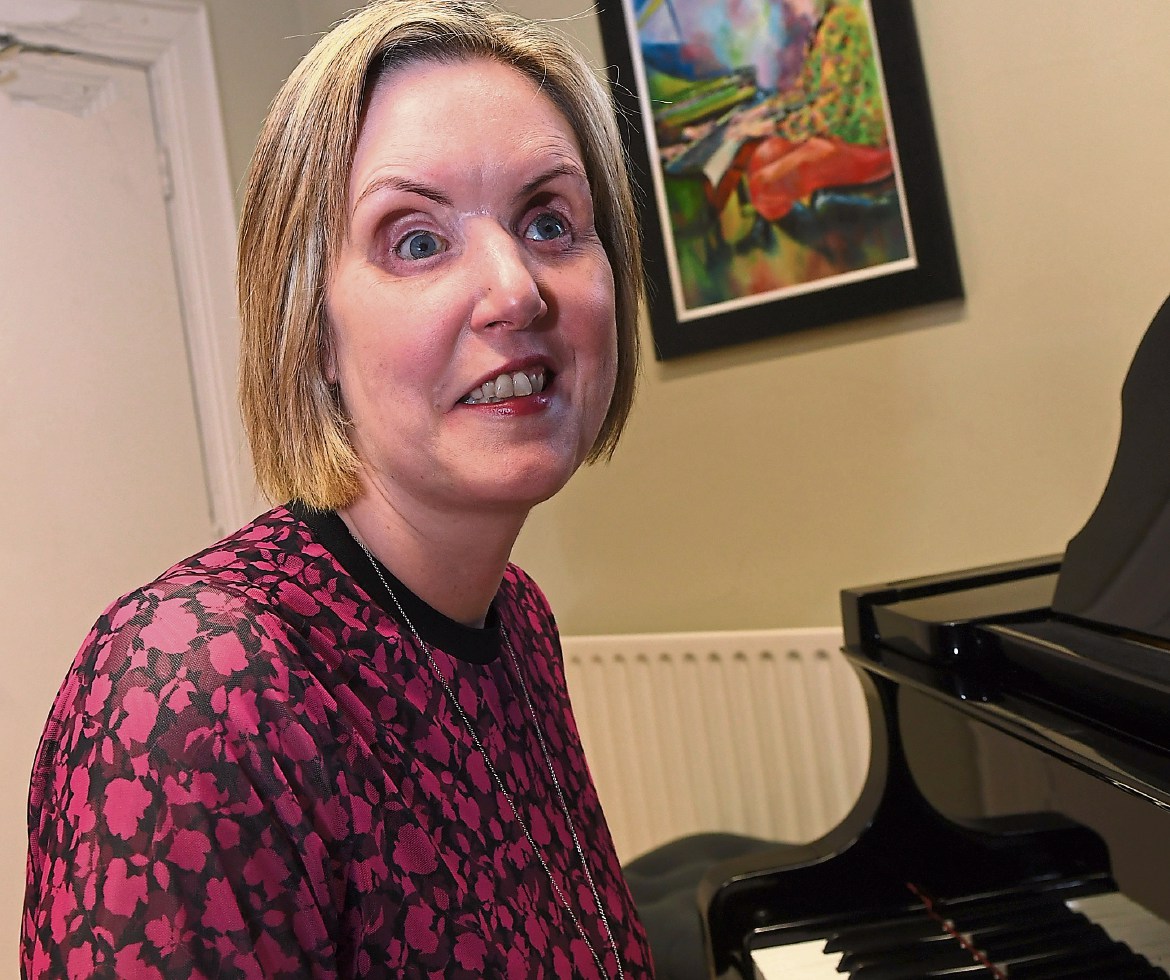
OMAGH woman Claire Bowes is among the contributors to a new book featuring real-life accounts from people who chose to take action at pivotal moments in their lives.
For Claire, that turning point came when she lost her sight in the 1998 Omagh bomb. Now, her journey of recovery and determination forms part of ‘When There Is Only Plan A – Action’, a collection described as offering a thoughtful and relatable perspective on personal growth, education and building a meaningful life through steady progress.
Speaking to the Ulster Herald, Claire said she was determined from the outset not to let the events of that fateful day define her future.
“There was a lot of fear in those early years after the bomb. But the fact that I was determined to live my life to the full has stood to me, alongside the great support of my family and friends,” she said.
“I have always viewed myself as one of the lucky ones that day because I’m still here. I feel I owe it to myself and to the others who weren’t as fortunate to live my life to the full, because I got a chance which 31 others didn’t.”
As her recovery progressed, Claire returned to Loreto Grammar School to complete her GCSE and A-Level examinations. She went on to study music at university and later travelled in the United States before returning home. But there were also other major challenges, not least that of coping with the huge media attention which focused on her at that time.
“It was all a bit surreal in many ways,” she remembers.
“All of a sudden I was being thrust into the limelight as a teenager and it was very tough. There were occasions when the media were encamped outside our house in Omagh and you’d be inside not having a very good day. Maybe it was hard to see the human side of everything that was happening.
“Meeting Boyzone was obviously absolutely amazing. They came to the house to surprise me as part of the Noel Edmonds show and that was brilliant. But then when they had left and all the cameras were gone, you were once again faced with the reality of what had happened.
“For me, there was the sense that all of this was bitter-sweet. Obviously it was great to get all the opportunities and to meet so many famous people. But then you would think of the 31 people who had died and wouldn’t be getting the chance to meet those people.”
Then, entering the workplace also brought fresh challenges.
“There were occasions at interviews when I was asked how I thought I would do the job because I am blind,” she said. “But I suppose it was all part of the learning experience.”
Claire began volunteering with the Royal National Institute of Blind People in Belfast, eventually working there for seven years.
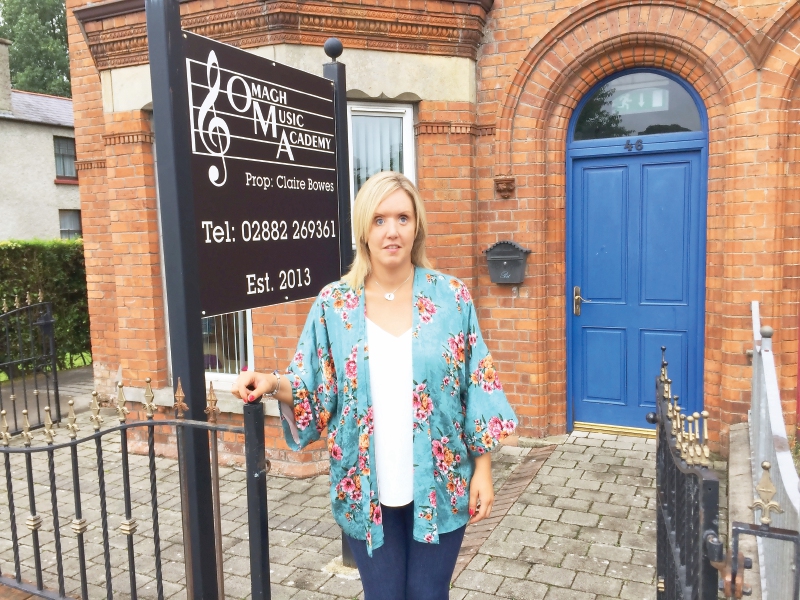
Her long-held ambition to bring people together through music gradually evolved into the creation of Omagh Music Academy, which opened in Campsie in 2013. Since then, the academy has gone from strength-to-strength.
“I always had the idea of bringing people together to create music,” she said.
“As a child, I was really shy and never enjoyed performing, even at some quite prestigious events.
“So it’s great to be helping children reach their potential musically. My proudest moments are when we get phone calls to say we’ve come recommended.”
Claire added, “One aspect which gives me great enjoyment is walking into the corridor in the evening and hearing music coming from different rooms, or the hustle and bustle from reception. That makes me really happy.
“It reminds me what this is all about.
“There is so much more to running a business, but for me the music makes all the work worthwhile.”
Alongside running the academy, Claire continues to pursue her own academic ambitions.
Now in the second year of a PhD, she is researching memorisation strategies for blind children learning piano.
Her interest in the subject developed during her Master’s degree in psychology for education, performance and wellbeing.
“I am a firm believer in grasping every opportunity,” she said. “I chose my masters degree because I felt it would really help me as a piano teacher.
“I realised that much of my performance anxiety came from a fear of forgetting what I was playing,” she explained. “When I lost my sight, I had to memorise everything. Blind musicians visualise in a very different way, if they visualise at all, so their approach must be different. That led me to explore memorisation in more detail, including interviewing blind adult musicians about their experiences.”
Claire sees the book’s launch as an opportunity to reflect on her journey and, she hopes, inspire others.
When There is Only Plan A – Action’ is available to pre-order now and will be available from February 24.
.