RATEPAYERS in the Omagh area are set to see one of the lowest increases in recent years, as councillors prepare to approve a recommended district rates rise of 1.96 per-cent when they meet tonight (Thursday).
Council officials estimate that the increase will equate to approximately £10 per year for a domestic property with an average capital value of £115,000. For non-domestic or business ratepayers, the rise is expected to amount to around £26 annually for a property with an average net annual value of £5,000.
The council says it must raise almost £47 million through the district rate to meet projected overall expenditure of around £50 million for the coming financial year.
The proposed 1.96 per-cent rise is significantly lower than last year’s 3.76 per-cent increase and compares favourably with recent increases set by other councils, including Mid Ulster and Derry City and Strabane.
Among the capital projects planned for the Omagh area during the year ahead is the allocation of £500,000 towards feasibility development work linked to long-standing proposals for a crematorium at Greenhill Cemetery. The Gortin Road project has been in development for more than a decade and recently secured renewed planning approval.
A further £100,000 has been earmarked for Lisnamallard House as part of a heritage fund, with the historic property set for refurbishment.
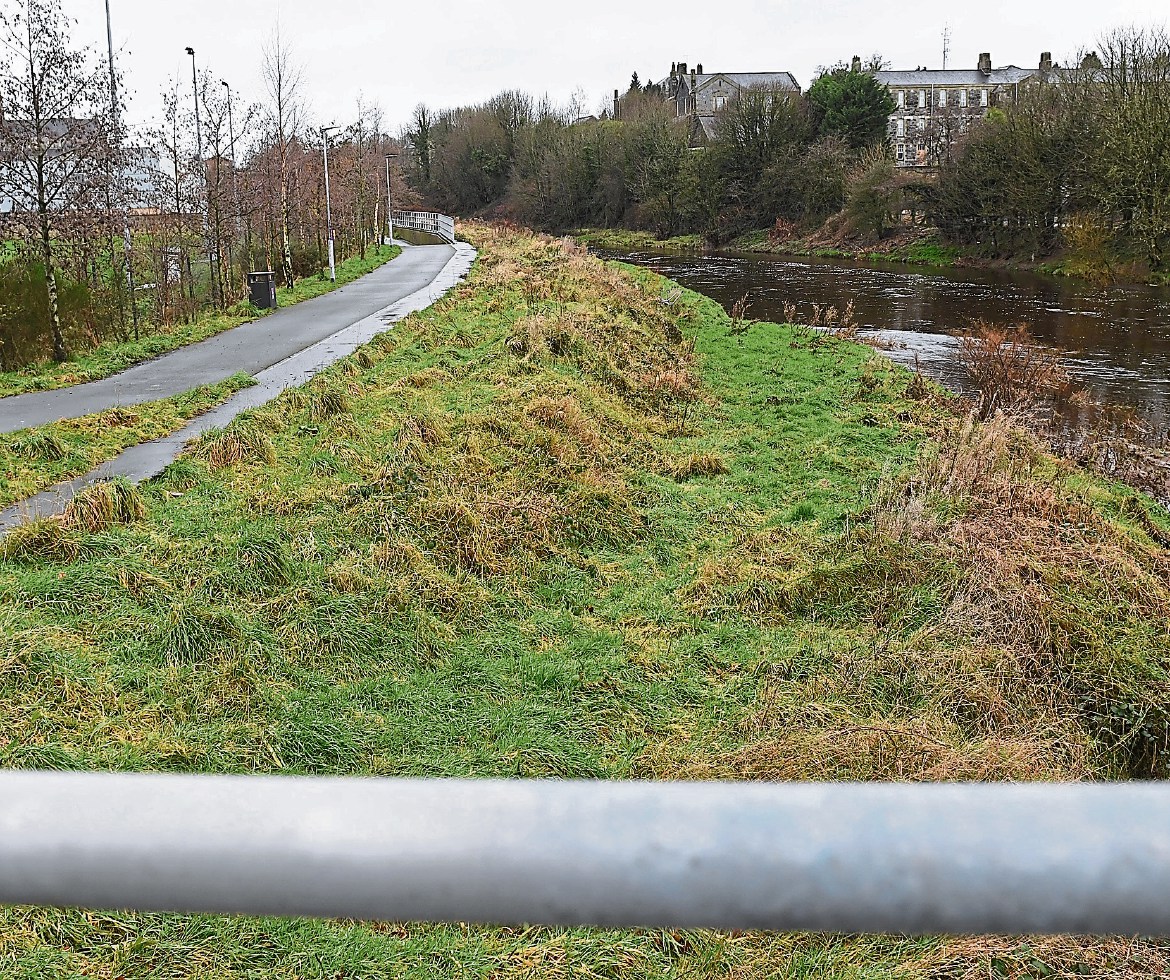
Funding of £250,000 has been allocated for an Omagh town centre public realm and regeneration project, including the extension of the River Walk, while £150,000 has been budgeted for the provision of dual-language signage.
Across the district, the council is also allocating £1.9 million for development works at waste facilities, £1.3 million for new vehicles, equipment and plant, £1 million for the continued delivery of its play strategy, and a further £1 million for strategic capital community grants.
Environment and place – which includes waste management, recycling centres and landfill operations – remains the largest area of expenditure at £22.5 million, representing an increase of £1 million on the previous year.
The budget for community and well-being services is rising by £200,000 to £11.2 million, while regeneration and planning has been allocated £4.4 million.
By clicking “Accept All”, you agree to the storing of cookies on your device to enhance site navigation, analyse site usage, and assist in our marketing efforts.
This website uses cookies to improve your experience while you navigate through the website. Out of these cookies, the cookies that are categorised as necessary are stored on your browser as they are essential for the working of basic functionalities of the website. We also use third-party cookies that help us analyse and understand how you use this website. These cookies will be stored in your browser only with your consent. You also have the option to opt-out of these cookies. But opting out of some of these cookies may have an effect on your browsing experience.
Necessary cookies are absolutely essential for the website to function properly. This category only includes cookies that ensures basic functionalities and security features of the website. These cookies do not store any personal information.
Any cookies that may not be particularly necessary for the website to function and is used specifically to collect user personal data via analytics, ads, other embedded contents are termed as non-necessary cookies. It is mandatory to procure user consent prior to running these cookies on your website.

 By
By