




 By
By 
By Fr Declan Boland
On Ash Wednesday, Christians throughout the world began a period of 40 days in preparation for Easter.
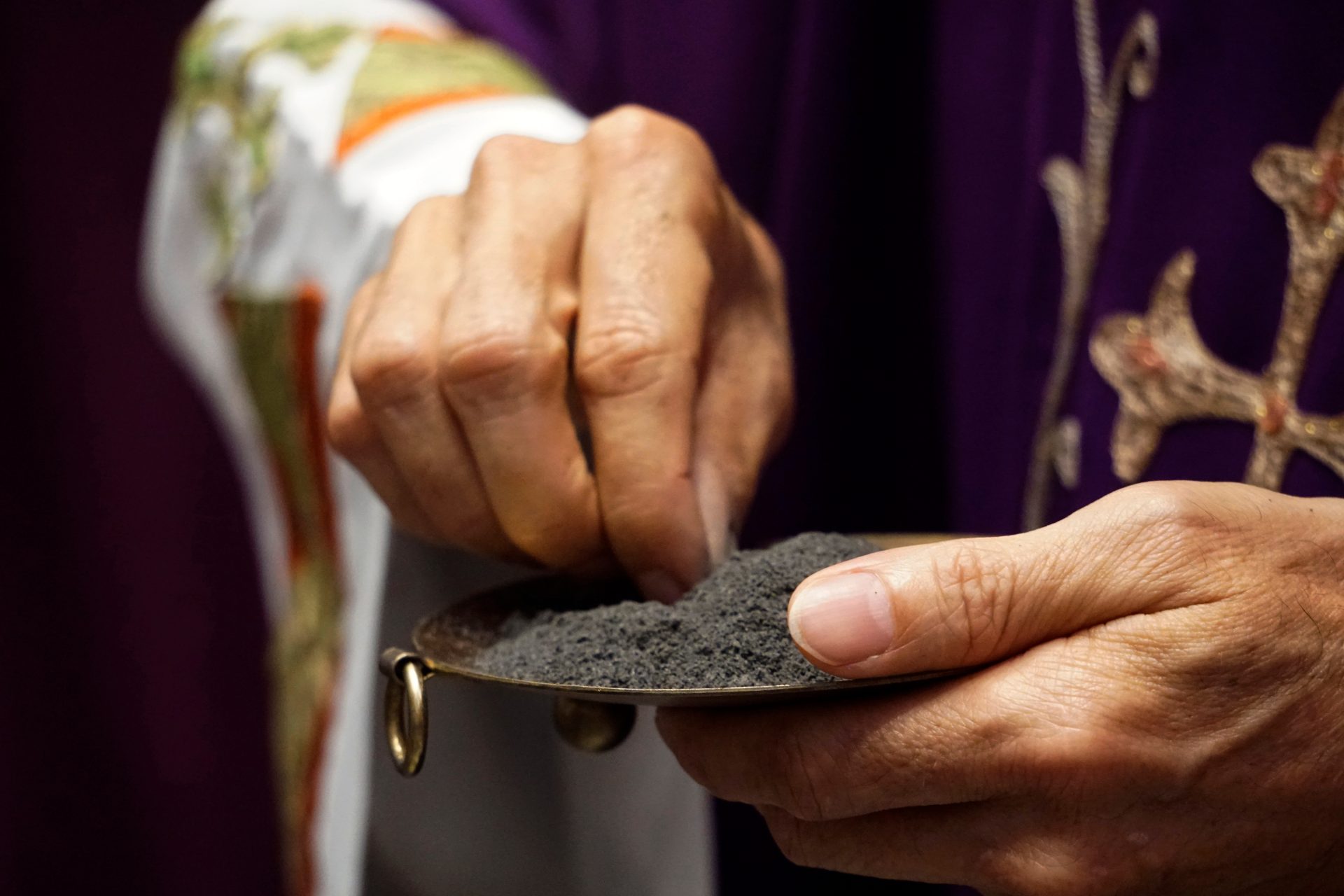
Many took the mark of ashes on their foreheads as an outward sign of their willingness to pray, fast and give alms, the three central invitations of this holy season. It is a time to stand back, take stock and see where the Holy Spirit is leading us at this stage on our journey.
Lent is a call to conversion, to change direction in our lives. It is a time of renewal of the love of God in each of us and to live out that love practically in our dealings with all our brothers and sisters. Every season in our liturgical calender has a special grace that comes with it. The season we have just begun offers us huge possibilities for growth if we have the courage and heart to respond to the invitation. Many will look at their lives and regret lost opportunities. We had possibilities placed before us but for one reason or another we failed to respond.
Lent began historically as a time of intense preparation of candidates to be initiated into the church community at Easter. This was a time when the majority of those were adults. But this season did not belong to the candidates for initiation alone. It also invited the rest of the community to join those preparing in prayer and penance. This was not only a means of support for the candidates, but also a time for the faithful to renew their original commitment to live out the meaning of their own baptism.
There is a danger that we will sheepishly do all the Lenten practices we have done down through the years, without fully realising why we are doing them. “What are you doing for Lent?” is often heard, and we list off all the many practices we have decided to do during the season. Now stop for a moment. The ‘what am I doing for Lent’ is not the first question we should be asking. The primary question, and we should give it plenty of space in our hearts, is simply this; “What is God asking of me during this holy season of Lent?” How we answer that question will show us what our Lenten practices should be. If we rush headlong into all our activities, particularly in the area of fasting, there is a danger that it could become a disguised ego trip.
The words of the prophet Isaiah are very important here, a warning not to get caught up in the externals of religion and to forget the need to change, and transform our hearts: “This people honours me only with lip-service, while their hearts are far from me. The worship they offer me is worthless; the doctrines they teach are only human regulations.”
Jesus kept his strongest criticism for the scribes and Pharisees because they were caught up in the externals of the law and forgot the inner spirit it was meant to serve. In Matthew 5:20 we hear, “For I tell you, if your virtue goes no deeper than that of the scribes and Pharisees, you will never get into the kingdom of heaven.” If we get caught up in ‘doing things’ for Lent there is a great danger that we have forgotten the purpose of all our efforts, which is namely, true conversion of the heart. Let it not be said of us that the worship we offer is worthless.
So all our efforts both big and small must lead to conversion of heart. I am loathe to make suggestions as each one must act according to the impulse of the Spirit. However I would frame it like this for you – this Lent, introduce much more silence in your lives, radically reduce the over-dependence you have on your gadgets, in particular your mobile phone, get involved in the natural world and look, really look at the grandeur of God blazing through all his creation, remember that everything is given, everything is grace, we just have to be open and ready to receive it. Practice poverty of spirit and detachment from getting anywhere or achieving anything on your spiritual journey. Ask the Spirit to pray in you, see in you, love in you, hear in you, and speak in you.
Karl Rahner, a Jesuit priest and one of the greatest theologians of the modern era once said, “The Christian of tomorrow will be a contemplative (mystic) or he will not be a Christian at all.” A mystic is one who knows God by experience.
In this regard I would recommend the following site to investigate our Christian contemplative tradition, which christians of all denominations share: contemplativeoutreach.org Remember that a mystic is not a special kind of person, but each person is called to be a special kind of mystic.
Your time has come!